
Prescriptions for GLP-1 medicines among children younger than 12 in the United States rose more than 300-fold from 2019, according to research reported on September 4, 2026. The GLP-1 drugs children study examined prescribing records as clinicians sought additional options for severe childhood obesity.
Reuters reported that 20,282 children under 12 received a prescription during the roughly seven-and-a-half-year study period. That number remains small relative to an estimated 3.3 million US children of similar ages living with obesity.
GLP-1 drugs children received were usually off-label
Medicines in the class include products widely known for treating diabetes and obesity in adults. They are generally not approved by the US Food and Drug Administration for obesity treatment below age 12, so prescribing for younger children is typically off-label.
Off-label use is legal in US medical practice, but it places responsibility on clinicians to weigh individual evidence, severity, alternatives and uncertainty. The study documented prescribing patterns; it did not prove that every prescription was appropriate or inappropriate.
Children often had related health conditions
Reports on the research said many children receiving the medicines had at least one obesity-related condition, such as high cholesterol, elevated blood pressure, pre-diabetes or fatty-liver disease. That context indicates the prescriptions were often associated with significant clinical risk.
Researchers also identified access differences, with prescribing more common in wealthier communities. Such disparities can reflect specialist availability, insurance coverage, family resources and differences in health-system access.
Important questions remain
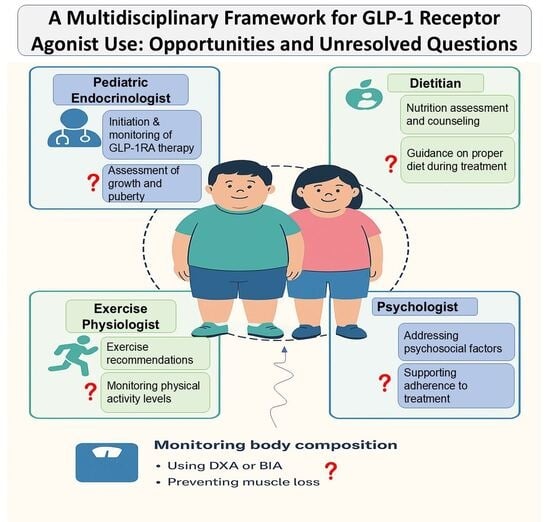
Long-term evidence in young children is limited. Growth, nutrition, gastrointestinal effects, mental wellbeing and the consequences of stopping treatment require careful study. Findings in adults or adolescents cannot simply be assumed to apply identically to younger children.
The rise should not prompt parents to seek these medicines without specialist care. Childhood obesity management can involve nutrition, activity, sleep, family support and treatment of associated conditions, with medication considered only through an individual clinical assessment.
The study shows that prescribing is increasing rapidly from a very low base. It does not establish a new universal treatment recommendation, and it does not replace FDA guidance or evaluation by a qualified paediatric specialist.

