
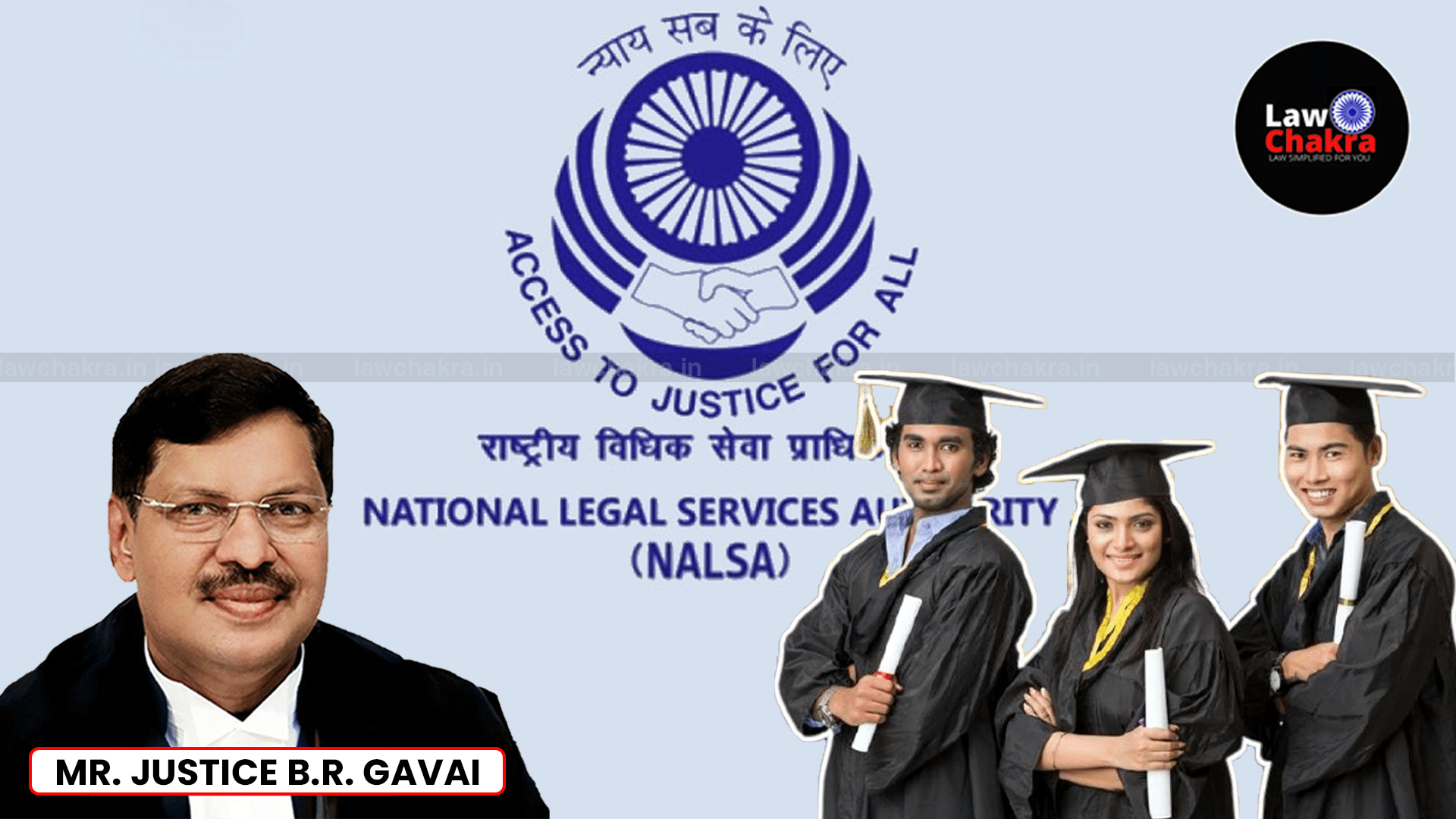
The Supreme Court of India, National Legal Services Authority and Department of Justice launched mobile eSewa vans on September 4, 2026 to take digital court services and legal-aid access closer to citizens.
The Supreme Court’s official website recorded the flag-off ceremony as a joint initiative of its eCommittee, NALSA and the Union Department of Justice.
What mobile eSewa vans are intended to do
The vans are designed as travelling access points for people who may face difficulty using court portals or reaching permanent service centres. Their purpose includes helping citizens navigate eCourts services and connect with legal-aid mechanisms.
Digital court systems can provide case-status information, orders and procedural services, while NALSA and state legal-services institutions support eligible people seeking legal advice or representation.
Why physical assistance still matters
Moving court services online can reduce travel and waiting time, but it can also disadvantage people without reliable internet, suitable devices or confidence using government portals.
A mobile unit can help bridge that gap by combining technology with in-person guidance. Its effectiveness will depend on where vans travel, how often they visit, staff training and whether citizens receive follow-through after the first interaction.
Part of the eCourts programme
The Supreme Court’s eCommittee has overseen technology initiatives intended to improve access, transparency and efficiency across the judicial system. These include online case information, digital filing tools and connected service centres.
Mobile delivery expands that model beyond court complexes. It can be particularly relevant for rural areas, vulnerable communities and people who are unfamiliar with legal institutions.
What remains to be measured
The launch announcement establishes the initiative, but long-term impact should be assessed through operational data: districts reached, citizens assisted, services completed, legal-aid referrals and user outcomes.
Accessibility also requires support for Indian languages and people with disabilities. Privacy safeguards matter because legal queries can involve personal, financial or criminal-case information.
A practical test of digital inclusion
The vans represent an attempt to make digitisation inclusive rather than assuming every user can independently access an online portal. The approach may also help authorities identify recurring barriers in court procedures.
Future public reporting will show whether the units operate consistently and whether assistance results in completed services rather than one-time awareness.
The verified development is the September 4 flag-off by the three institutions. Detailed routes and service calendars should be checked through official judicial and legal-services channels.

