
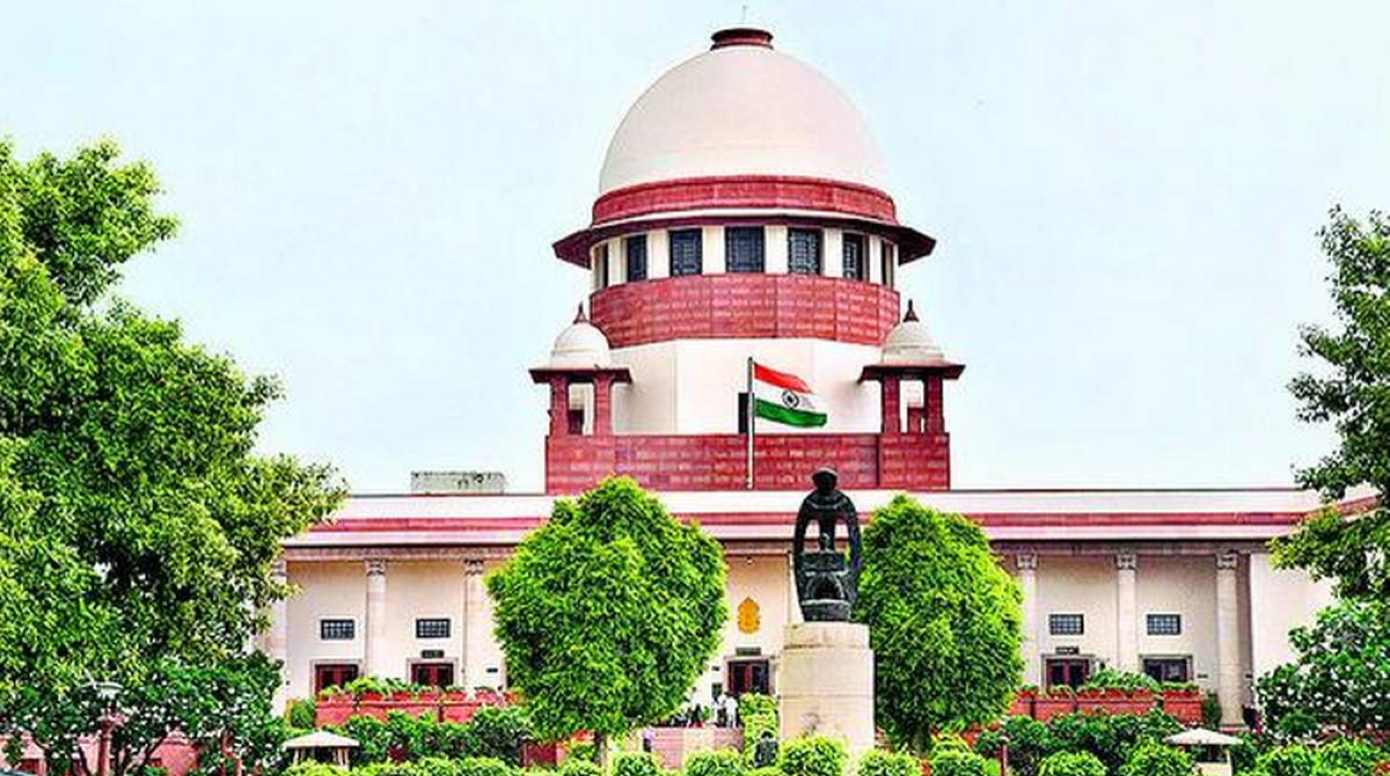
The Supreme Court has ruled that the Bar Council of India (BCI) does not have the authority to initiate disciplinary proceedings against law students. The Court held that such matters fall within the jurisdiction of the universities and educational institutions where the students are enrolled.
Delivering the order, Chief Justice of India Surya Kant stated that the Advocates Act, 1961, under which the BCI is constituted, does not confer any express or implied power upon it to take disciplinary action against students pursuing legal education. “Such power is vested in the university or educational institution in which the students are enrolled,” the Court observed.
The ruling arose in the context of earlier directions issued by the BCI concerning students of NALSAR University of Law, Hyderabad, over a campaign opposing the participation of the Chief Justice as chief guest at the university’s convocation. Those directions had later been withdrawn, but the Court clarified the legal position on the BCI’s powers.
The Court noted that the BCI may prescribe and enforce standards of legal education in accordance with the statutory provisions and applicable regulations, but disciplinary control over students remains with their institutions.

