
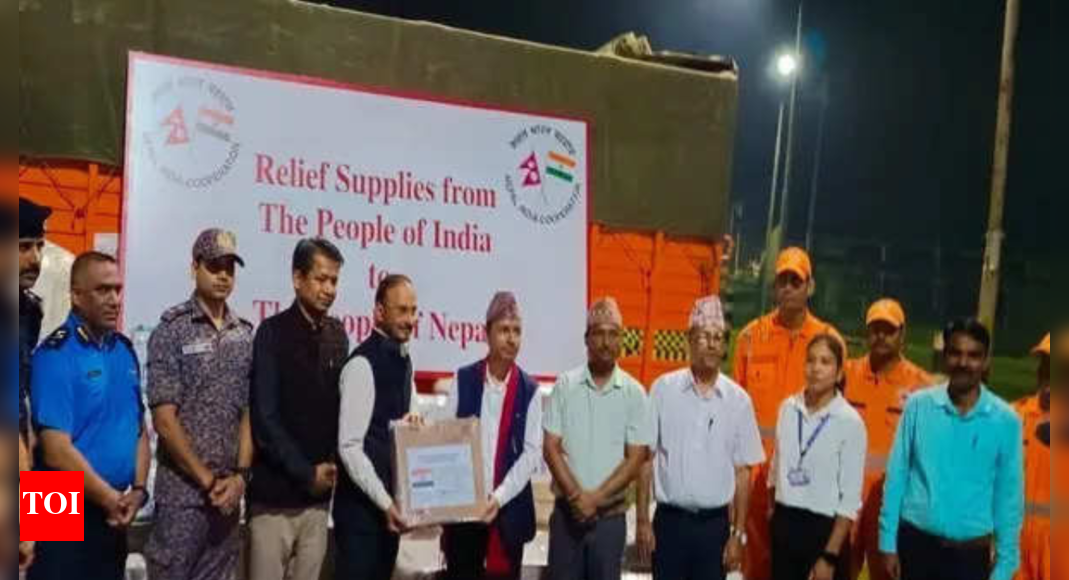
India has reiterated its support for flood-hit Nepal while restating its long-held position that developed countries should lead global emissions reductions and provide finance and technology to developing nations.
Ministry of External Affairs spokesperson Randhir Jaiswal addressed the issue on September 4, 2026 after questions about remarks from Nepal’s foreign minister concerning climate justice and compensation.
India Nepal flood aid and diplomatic response
Jaiswal described climate change as a common global challenge and expressed solidarity with Nepal. He said India had responded promptly and remained prepared to support its neighbour.
The comments should be distinguished from a formal acceptance of liability for the disaster. India’s position emphasises the principle of common but differentiated responsibilities, under which developed countries are expected to take the lead because of historical emissions and greater capacity.
Scale of India’s assistance
A separate MEA update reported that India had sent about 95 tonnes of relief material and deployed 54 specialists, including tunnel-rescue personnel, forensic experts and a medical team.
Indian officials said 166 Indian nationals had been rescued while 275 remained missing at the time of the update. Those figures are developing and may change as identification and rescue operations continue.
A disaster with regional consequences
The floods followed a catastrophic glacier and rock collapse near the Nepal-China border on August 26. Reuters reported extensive destruction, thousands of missing people and a major rebuilding challenge.
Death and missing-person totals have changed between official updates. This article does not combine incompatible figures from different reporting times; readers should consult current Nepali government and MEA statements for the latest confirmed numbers.
Climate attribution requires care
Scientists have warned that warming can destabilise high mountain environments through glacier loss and thawing permafrost. However, attribution of a specific event requires analysis of the physical trigger, weather, geology and changing climate conditions.
The diplomatic discussion therefore concerns both immediate humanitarian support and the wider vulnerability of Himalayan countries to climate-related risks.
What comes next
India and Nepal are coordinating on rescue, relief and support for affected nationals. Future assistance may include forensic kits and temporary bridges, depending on requests and field needs.
Longer-term discussion is likely to focus on early-warning systems, cross-border river monitoring, resilient infrastructure and access to international climate finance.
The verified Indian position combines two messages: practical solidarity with Nepal and a demand that developed economies carry greater responsibility for global climate action.

