
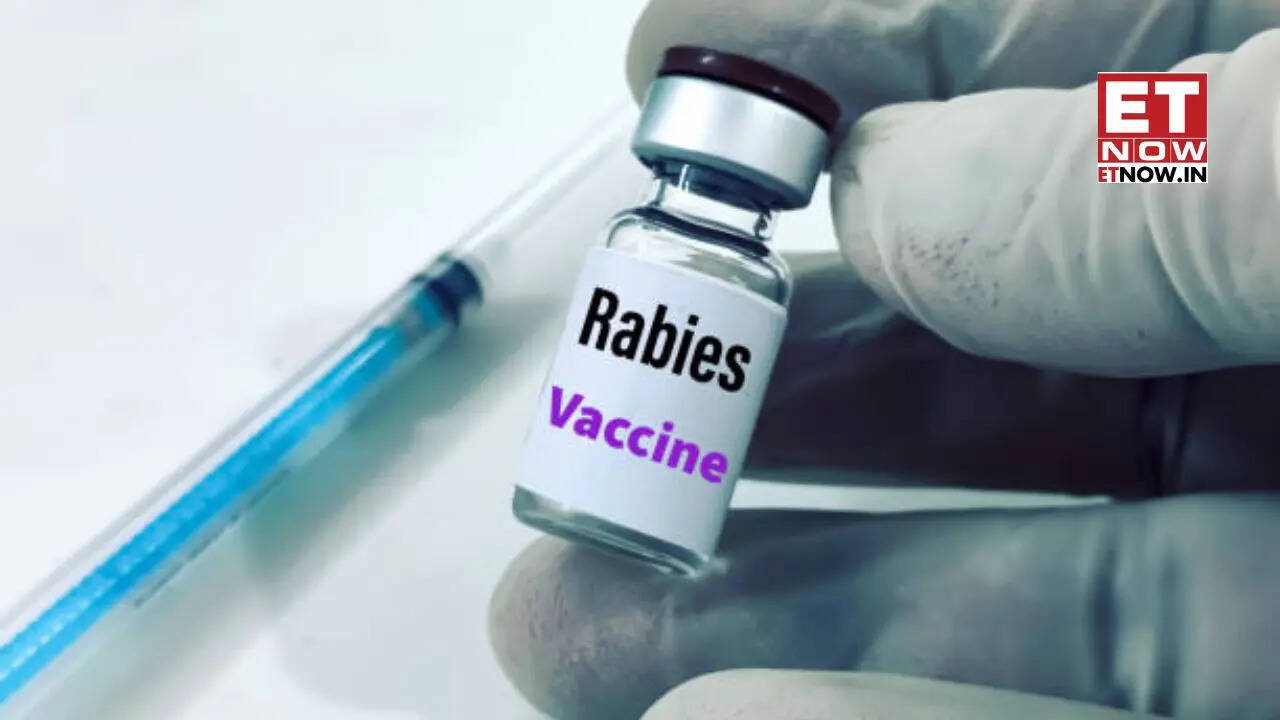
India’s drug regulator has instructed state authorities to closely track a batch of the rabies vaccine Abhayrab after a field sample failed a potency test and raised concerns about whether the sampled product was authentic.
The alert concerns batch KE25012. Reuters reported that the Drugs Controller General of India sent instructions on August 27, 2026 after testing by the Central Drugs Laboratory in Kasauli.
What was found in the Abhayrab vaccine batch
The laboratory classified the sampled product as not of standard quality and misbranded. It passed sterility, moisture and identity checks but did not meet the required potency standard.
Investigators also found differences between the field sample and a retained reference sample, including labelling, artwork, QR-code verification, cap colour, licence details and packaging text. Those discrepancies prompted an examination of whether the product could be spurious under the Drugs and Cosmetics Act.
What remains unknown
The government document reviewed by Reuters did not say how many doses from the batch may have been distributed or whether any were exported. Indian Immunologicals and the federal regulator had not responded to Reuters’ requests for comment at publication time.
A failing field sample does not establish that every product bearing the batch number came from the authorised manufacturer. The authenticity investigation is therefore important alongside the potency finding.
Earlier counterfeit warning
Indian Immunologicals reported a different counterfeit Abhayrab batch in January 2025. Health authorities in several countries later advised travellers who had received Abhayrab in India to seek medical review.
The current alert involves KE25012, not the previously reported KA24014 batch. The two identifiers should not be confused.
What patients should do
People should not make decisions about rabies post-exposure treatment solely from a news report. Rabies is almost always fatal after symptoms begin, while prompt, appropriate post-exposure prophylaxis is highly effective.
Anyone concerned about a vaccine dose should preserve records, packaging or photographs and urgently contact the treating clinic or a qualified health professional. They should not delay scheduled doses without medical advice.
Why the investigation matters
Abhayrab has been widely supplied in India and exported to multiple countries. Strong batch tracking, rapid public communication and verification of legitimate supply chains are essential because inadequate vaccination after a genuine exposure can have severe consequences.
The regulator’s investigation is continuing. Claims about the total distribution or manufacturer responsibility should remain limited until authorities publish verified findings.

