
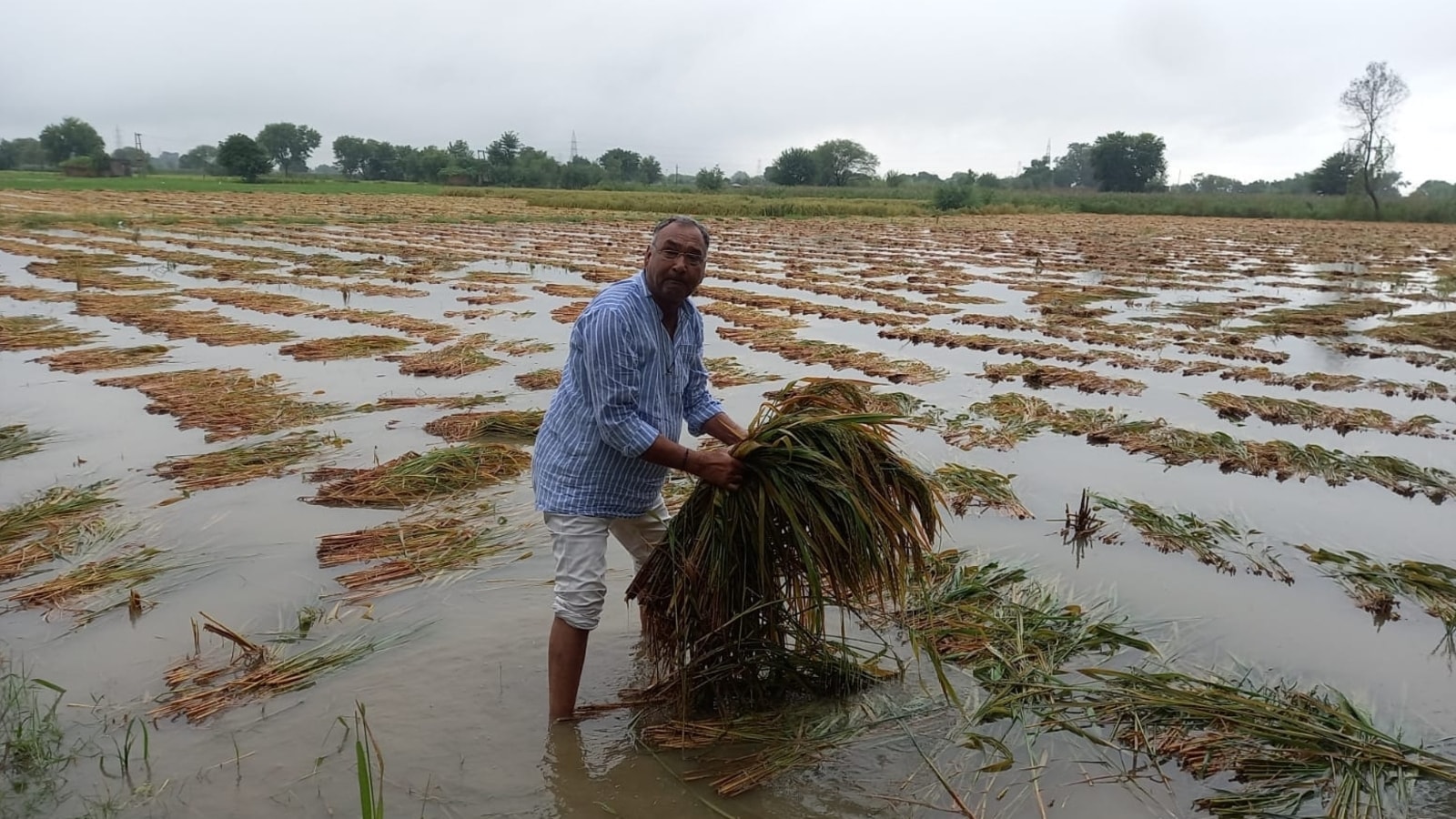
Below-normal rainfall has increased concern about India’s crop outlook as the 2026 southwest monsoon enters its final month, with farmers needing moisture both for maturing summer crops and preparation for winter sowing.
India Meteorological Department data showed nationwide rainfall from June 1 to September 2 was 13% below the long-period average. The deficit was uneven: east and northeast India were 24% below normal for the season, even though that region received above-normal rain during the latest reported week.
Why September matters for the India monsoon 2026
September rain can be decisive for cotton, soybean, maize, rice and other kharif crops that are at important stages of development. Reuters reported that a continuing shortfall could reduce yields after delayed planting in several areas. The effect will depend on local rainfall, irrigation access, crop variety and the timing of withdrawal of the monsoon.
The final-month rainfall also affects soil moisture available when farmers begin sowing rabi crops such as wheat, rapeseed and chickpeas. A national deficit does not mean every district is dry, but it can mask severe shortages in particular agricultural belts.
Potential consequences for prices and trade
Lower output in crops such as pulses, oilseeds, sugarcane or cotton could influence domestic prices and India’s import or export decisions. Those policy responses are not automatic: the government considers stocks, production estimates, retail inflation and global prices before altering trade measures.
Food inflation was 5.52% in July, according to figures cited by Reuters. Weather-related supply pressure could complicate the Reserve Bank of India’s inflation assessment, although monetary policy also depends on fuel costs, demand, currency movements and core inflation.
Forecasts are not final production estimates
Rainfall departures and crop-risk assessments should not be treated as confirmed harvest losses. Production estimates are revised as acreage, reservoir levels, field conditions and actual yields become clearer. Heavy rain in one region can also coexist with deficits elsewhere.
IMD’s extended-range bulletin provides an official snapshot, while the Reuters analysis connects those conditions with possible farm and market effects. Together they indicate elevated risk, not a predetermined nationwide crop failure.
What to watch
The next indicators are weekly rainfall distribution, reservoir storage, state-level crop reports and the first official production estimates. Traders will also monitor government decisions on edible oils, pulses, sugar and cotton.
For households, the economic impact will be clearest in retail food prices. For farmers, the more immediate question is whether rainfall arrives at the right time and intensity for crops already in the ground.

