
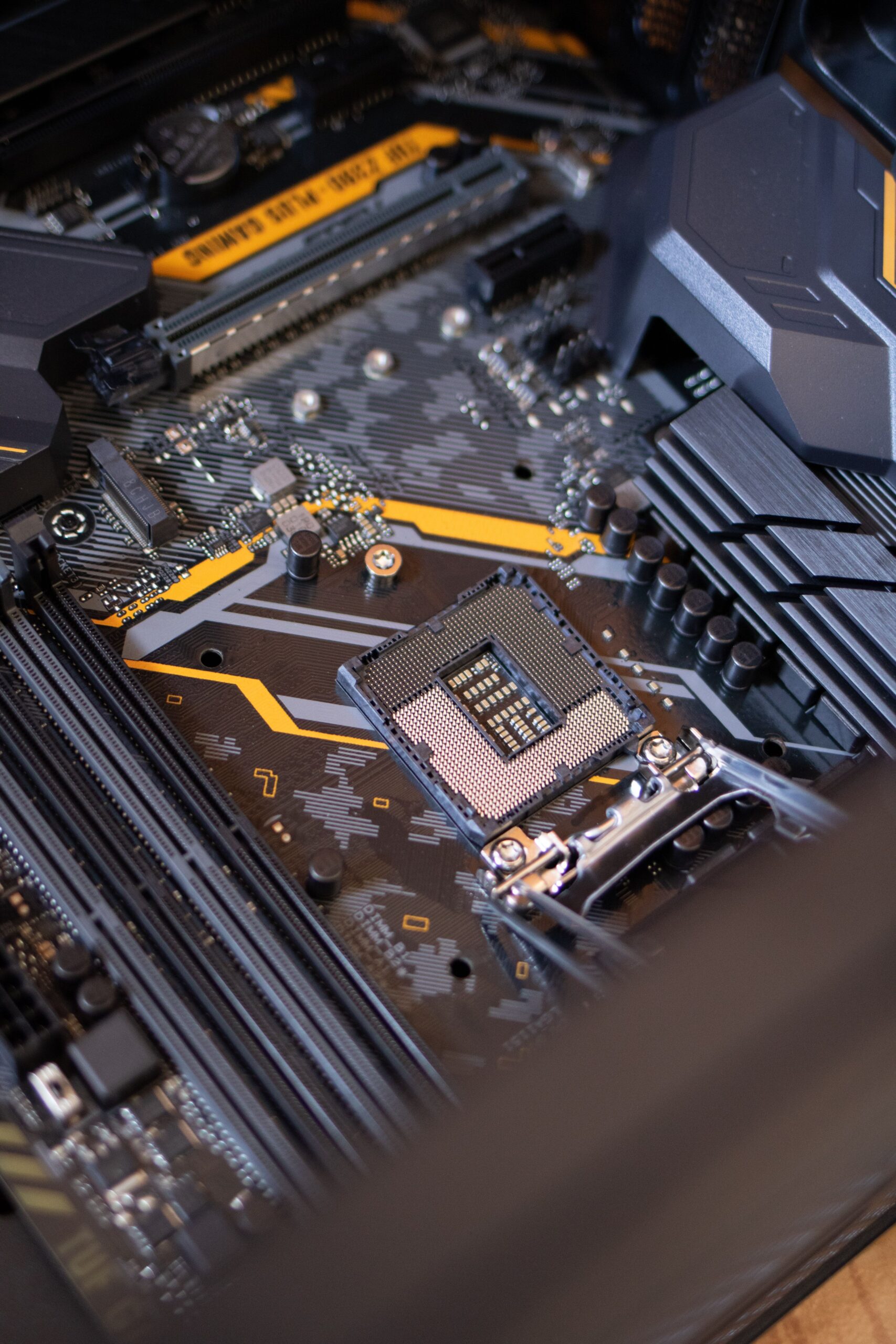
SEMICON India 2026 is scheduled for September 17–19 at Yashobhoomi in New Delhi, with Prime Minister Narendra Modi due to inaugurate the fifth edition of the semiconductor conference and exhibition.
Scale and programme
Organisers say more than 500 exhibiting companies from over 20 countries will participate. A separate SEMI announcement described 243 international companies, more than 150 speakers and delegates from over 40 countries. The different figures refer to distinct groups—exhibiting companies, international participants and delegates—and should not be combined into one total.
The event’s theme is “Silicon to Systems: Building the Ecosystem.” It is intended to cover semiconductor design, manufacturing, packaging, materials, equipment, electronics systems, research, workforce development and supply chains.
Special pavilions
The official event overview lists a startup pavilion for 40 startups, a workforce-development pavilion, seven country pavilions, ten state pavilions and a hackathon. These features are designed to connect technology companies with Indian suppliers, researchers, state governments and prospective employees.
Visitor hours published by the organisers begin on the afternoon of September 17 and continue through September 19. Anyone planning to attend should check the event website for registration and any timetable changes.
Why the event matters for India
India is trying to build a more complete semiconductor value chain rather than focusing only on chip design or electronics assembly. Public incentives have attracted proposed fabrication, packaging and component projects, but semiconductor plants require large capital commitments, reliable infrastructure, specialised materials and long development timelines.
A trade event cannot by itself guarantee factories, production volumes or technological self-reliance. Its practical value lies in bringing prospective partners together, presenting projects and helping companies evaluate suppliers, sites and talent.
What will count as progress
Announcements at the conference will need to be assessed individually. Memoranda of understanding are not the same as final investment decisions, and proposed capacities should not be described as operational until facilities are built and qualified.
Indicators worth watching include confirmed investment, construction milestones, equipment installation, pilot production, customer qualification and growth in domestic supplier participation.

